Disposal Systems Installed for Daily Kitchen Use
Garbage Disposal Installation in the Louisville area for kitchen upgrades and replacement of failed units
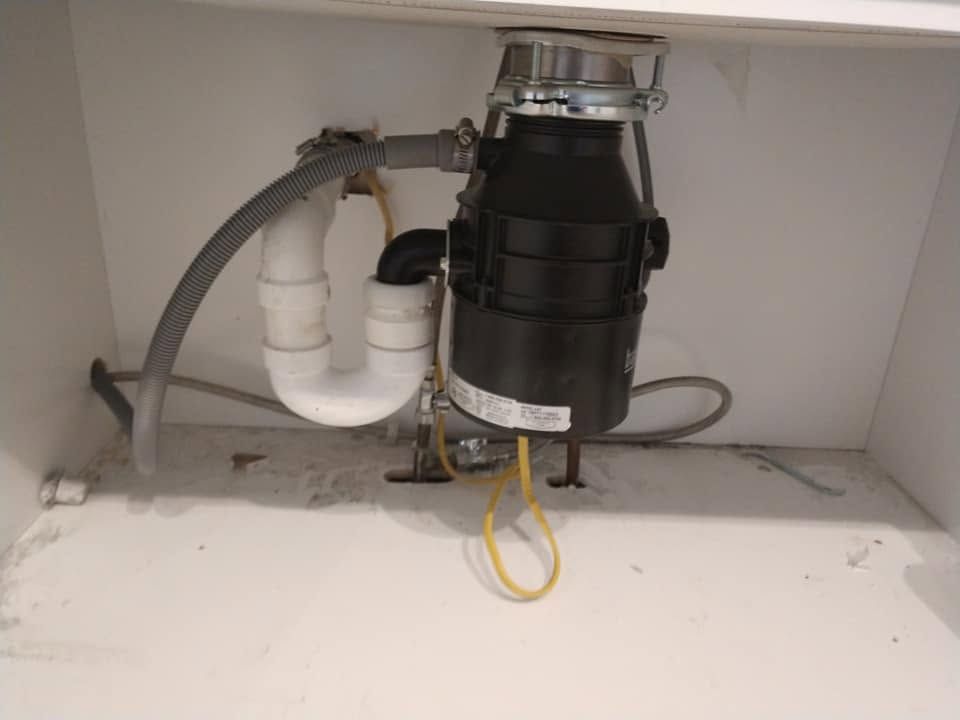
Garbage disposals grind food waste into particles small enough to flow through drainage systems, reducing what goes into trash bins and preventing organic material from decomposing in refuse containers. Proper installation positions the unit correctly under the sink, connects it to drainage without creating low spots that trap debris, and wires it to a dedicated circuit that handles motor load safely. CLMS Plumbing installs garbage disposals in for kitchens in Louisville, St. Matthews, Jeffersontown, or a neighboring community during remodeling projects or when existing units fail from motor burnout, jammed grinding chambers, or corroded housing that develops leaks.
Installation requires removing the existing sink flange or knockout plug if no disposal was previously installed, mounting the new unit to the sink drain opening with a secure seal, connecting the discharge pipe to the drain trap with proper slope for drainage, and wiring the unit according to electrical code requirements. Disposal sizing matters because underpowered motors struggle with typical food waste volume and jam frequently, while proper horsepower ratings handle vegetable scraps, small fruit remnants, and other appropriate waste without stalling.
Schedule installation to add convenient waste disposal functionality to your kitchen.
What Proper Disposal Installation Accomplishes
Professional installation addresses factors that determine whether disposals run reliably or develop problems quickly. The mounting assembly must seal completely against the sink opening to prevent leaks during grinding when water and waste slurry move through the chamber. Discharge pipes need adequate diameter and proper angling so ground particles flow freely into the drain system rather than settling in horizontal pipe runs. Electrical connections require GFCI protection and proper grounding because disposal units operate in wet environments where shock hazards exist without correct wiring.
After installation, the disposal grinds food waste quietly without excessive vibration or rattling sounds that indicate loose mounting or internal component problems. Switching the unit on and off responds immediately through the wall switch or button control. Ground waste flushes completely through the discharge opening when you run water during operation, leaving the grinding chamber empty rather than partially filled with residue. The unit remains dry underneath during operation and when idle, confirming that mounting gaskets seal properly and drain connections don't leak.
Installation includes testing with actual food waste to verify grinding performance and drainage flow before completing the job. Compatibility between disposal discharge heights and existing trap configurations sometimes requires adjusting drain pipes or installing offset flanges to maintain proper drainage slope. Continuous-feed models activate by switch and run until turned off, while batch-feed designs require a cover in place before operating, offering safety advantages in households with children.
Questions Before Installing a Disposal
Homeowners planning disposal installation commonly ask about model selection, installation requirements, and operational considerations for their kitchen setup.
What disposal horsepower is appropriate for typical household use?
Half-horsepower units handle light use in smaller households, while three-quarter to one-horsepower models suit families with higher food waste volumes and process tougher materials like fibrous vegetables more effectively without jamming.
How do you prevent garbage disposals from leaking at sink connections?
Leak prevention requires applying plumber's putty or silicone sealant to the sink flange before mounting, tightening the mounting ring evenly to compress the seal uniformly, and ensuring the rubber gasket inside the discharge elbow seats completely against the disposal outlet.
What kitchen configurations require special considerations during disposal installation?
Kitchens with septic systems need disposals rated for septic use that grind waste into finer particles, and sinks with double bowls require determining which side gets the disposal based on drain placement and typical usage patterns.
When does disposal installation require additional electrical work beyond basic connection?
Installation needs dedicated circuit wiring when the existing outlet is shared with other appliances, when GFCI protection isn't present, or when Louisville homes built before the 1980s have outdated wiring that doesn't meet current code requirements for grounding and circuit capacity.
What disposal features affect long-term durability and performance?
Stainless steel grinding components resist corrosion better than galvanized steel, sound insulation reduces operational noise significantly, and auto-reverse functions help clear jams automatically rather than requiring manual intervention with a reset wrench.
CLMS Plumbing installs disposals sized appropriately for your household needs with connections that prevent leaks and operational problems. Set up an appointment to discuss model options and complete professional installation that ensures reliable daily performance.