Toilets Installed for Long-Term Performance
Toilet Installation in the Louisville area for replacement of outdated units and efficiency upgrades
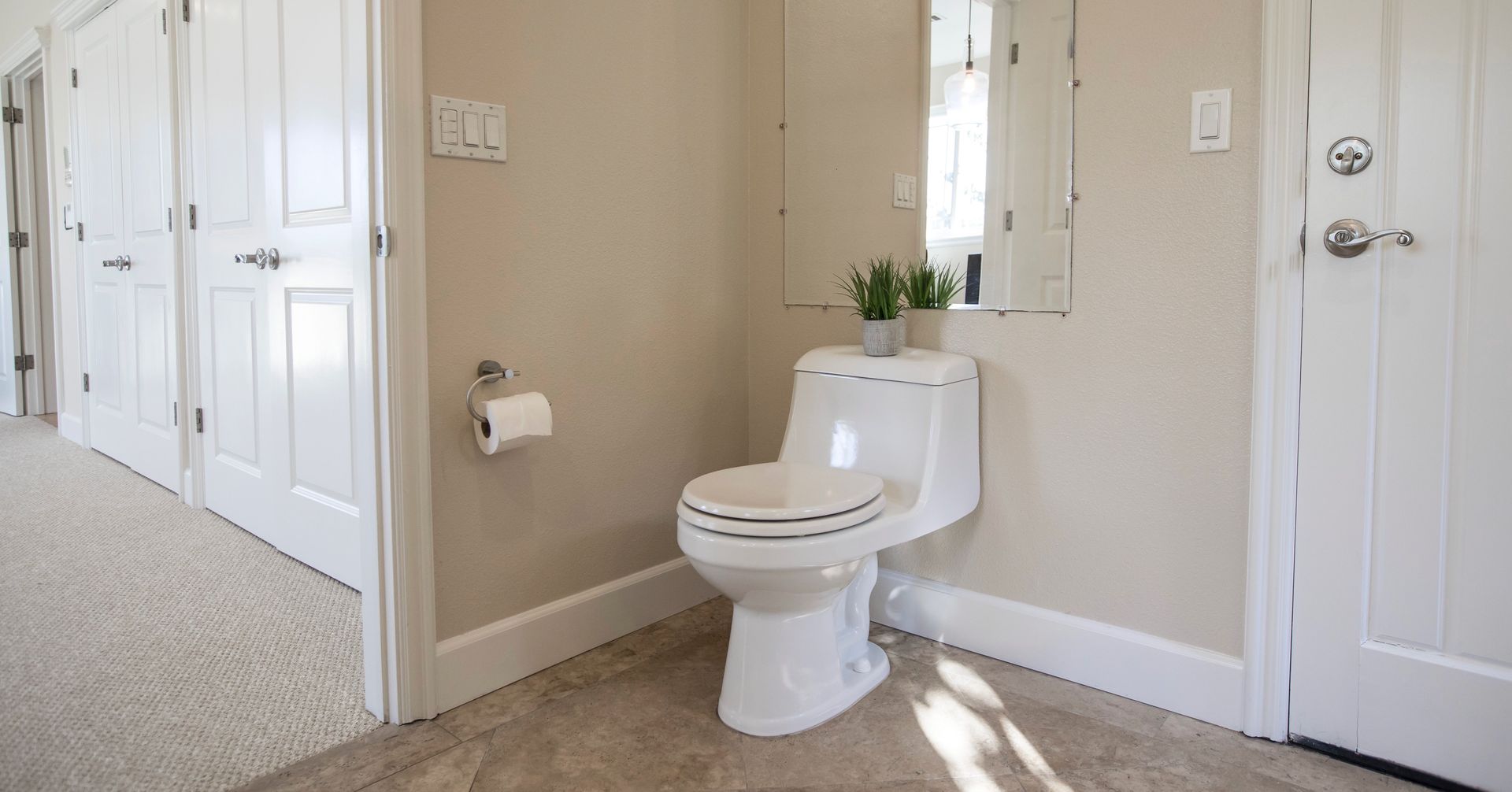
Modern toilets use less than half the water per flush compared to models installed before 1994, and proper installation prevents leaks that damage flooring and substructures. You need new installation when existing toilets crack, rock on unstable mounting, flush incompletely, or waste excessive water with each cycle. CLMS Plumbing installs residential toilets throughout Louisville, Jeffersontown, St. Matthews, and surrounding areas, ensuring secure mounting, leak-proof connections, and reliable flushing performance that meets current efficiency standards.
Installation involves removing the old unit, inspecting and often replacing the wax ring seal and closet flange, leveling the new toilet on the floor surface, and securing it with corrosion-resistant bolts torqued to prevent movement without cracking the porcelain base. Supply line connections must align without stress, and tank-to-bowl gaskets need uniform compression to prevent seepage. Testing includes multiple flush cycles to confirm complete bowl clearing and proper tank refill without running.
Schedule installation service to upgrade your bathroom fixtures with efficient, dependable models.
Why Proper Installation Prevents Future Problems
Professional installation addresses details that determine whether a toilet functions reliably for decades or develops problems within months. The closet flange must sit flush with finished flooring and remain structurally sound without cracks that allow sewer gases to escape. Wax rings compress to fill the gap between flange and toilet outlet, but over-tightening mounting bolts crushes the wax unevenly and creates leak paths. Bowl positioning affects how waste travels through the trap, with even slight misalignment sometimes causing incomplete flushing.
After installation completes, the toilet sits firmly without any rocking motion when you shift weight from side to side. Flushing clears the bowl completely in one cycle, refills quietly without hissing or trickling, and stops automatically when the tank reaches proper level. No water seeps from the base during flushing or pools around supply connections. The toilet remains positioned correctly relative to surrounding walls and fixtures, maintaining clearances that meet code requirements and allow comfortable use.
Installation includes disposal of the old toilet, which requires careful handling because porcelain fixtures are heavy and crack easily during removal. Newer elongated bowl models require different rough-in dimensions than older round-front designs, and compatibility with existing drain placement determines which models work without relocating plumbing. Dual-flush mechanisms and pressure-assist systems offer different performance characteristics depending on household needs and water pressure conditions.
Answers to Frequent Installation Questions
Property owners considering toilet replacement commonly ask about efficiency gains, installation requirements, and model selection.
What efficiency improvements do newer toilets provide compared to older models?
Current WaterSense-certified toilets use 1.28 gallons per flush compared to 3.5 to 7 gallons in pre-1994 models, reducing water consumption by 60 to 80 percent without sacrificing waste removal performance.
How long does toilet installation typically take from start to finish?
Standard replacement installation takes two to three hours including removal of the old unit, flange inspection and repair if needed, new toilet installation, connection testing, and cleanup.
What determines whether the existing flange needs replacement during installation?
Flanges require replacement when they're cracked, corroded to the point of losing structural integrity, or sitting too low relative to finished flooring, which prevents proper wax ring compression and sealing.
How do you prevent toilets from rocking or becoming loose after installation?
Proper shimming under the base compensates for uneven flooring, and mounting bolts must be tightened gradually in alternating sequence to distribute pressure evenly without cracking the porcelain or distorting the wax seal.
What toilet features matter most for reliable long-term performance in Louisville homes?
Larger flush valve openings improve waste clearing, glazed trapways resist buildup that causes clogs, and fill valves with adjustable shutoff height prevent running issues common in areas with variable water pressure.
CLMS Plumbing installs toilets that match your efficiency goals and bathroom layout requirements. Contact us to review model options and schedule professional installation that prevents common failure points.