Main Lines That Drain Without Backup
Sewer Cleaning in Louisville and surrounding areas for slow drainage, recurring backups, and blockages from debris accumulation
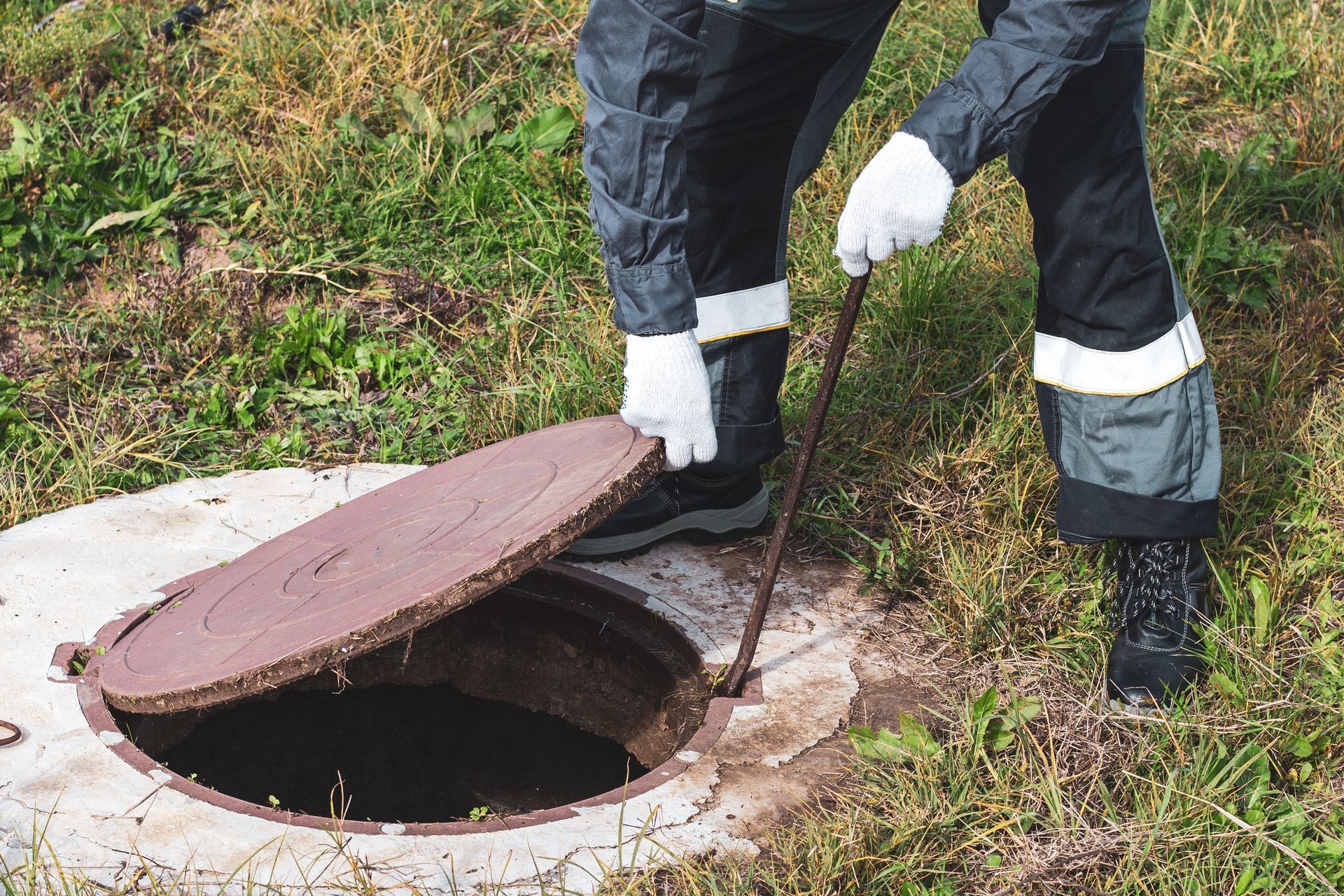
Tree roots infiltrate sewer lines through joints and cracks, creating obstructions that trap grease, paper, and solid waste until flow slows to a trickle or stops completely. CLMS Plumbing addresses sewer line blockages when multiple drains in your home slow simultaneously, when wastewater backs up into lower fixtures during heavy use, or when you notice gurgling sounds from toilets and floor drains that indicate air displacement in the main line. Properties in Louisville, Bon Air, Prospect, or a neighboring community with mature trees near sewer routes commonly develop root intrusion that worsens gradually as vegetation seeks moisture inside the pipe.
Professional cleaning uses mechanical augers or high-pressure water jets to break through obstructions and scour accumulated material from pipe walls, restoring full flow capacity throughout the line from your home to the municipal connection or septic tank. The method depends on blockage severity, pipe condition, and whether roots have penetrated the line or if grease and debris alone caused the restriction.
Schedule sewer cleaning service when you observe symptoms of main line blockage before backups cause interior damage.
Why Sewer Buildup Happens and How to Stop It
Blockages develop when grease solidifies along pipe walls and catches paper and solid waste, or when root masses grow dense enough to restrict flow and trap passing material. Cast iron and clay sewer lines develop rough interior surfaces as they age, providing texture that holds debris more readily than smooth plastic pipe. Cleaning removes these accumulations mechanically, either by cutting through them with rotating blades or blasting them loose with water pressure that exceeds the adhesion strength holding material to pipe walls.
Once cleaning completes, all drains in your home empty at normal speed without the slow swirl that indicates restricted flow, toilets flush with full siphon action instead of weak drainage, and the sewage odors that appeared near floor drains or cleanout caps no longer occur. Water from washing machines and dishwashers exits quickly during drain cycles rather than backing up into nearby fixtures.
Service addresses both emergency blockages that stop drainage completely and preventive cleaning that removes buildup before it causes backups. Properties with recurring issues often benefit from scheduled maintenance that clears accumulating debris before restrictions develop, particularly in older sewer lines where root intrusion happens predictably or where household habits contribute to grease accumulation.
What Property Owners Usually Ask
Questions about sewer cleaning typically focus on identifying main line problems versus individual drain clogs, understanding cleaning methods, and knowing when replacement becomes necessary instead of continued maintenance.
How do I know if my main sewer line is blocked?
Multiple slow drains throughout the home, backups at the lowest fixtures when upper drains run, gurgling from toilets when you use sinks or showers, and sewage odors near cleanouts all indicate main line restriction rather than isolated drain clogs.
What causes sewer lines to clog?
Grease poured down drains solidifies in the cooler pipe environment, tree and shrub roots penetrate through joints seeking moisture, and items like wipes and hygiene products accumulate because they don't break down like toilet paper during normal flow conditions.
Which cleaning method works best?
Cable augers cut through solid obstructions and root masses effectively but may leave residue on pipe walls, while hydro-jetting uses high-pressure water to scour the entire pipe interior and flush all debris to the municipal line or tank.
How often should I clean my sewer line?
Properties without symptoms typically don't require routine cleaning, but homes in Louisville with large trees near sewer routes or recurring slow drainage often benefit from maintenance every two to three years to prevent complete blockages.
When does a sewer line need replacement?
Pipes with extensive root intrusion through multiple breaks, collapsed sections that cleaning cannot clear, or severe corrosion that causes recurring leaks require replacement rather than continued cleaning that provides only temporary flow restoration.
CLMS Plumbing tailors solutions to blockage severity and pipe condition, protecting the overall health of your home's plumbing system. Request service when you notice signs of main line restriction to prevent backups and drainage failures.