Hot Water When Your System Stops Working
Water Heaters in Louisville for homes experiencing inconsistent temperature, sediment buildup, or complete system failure
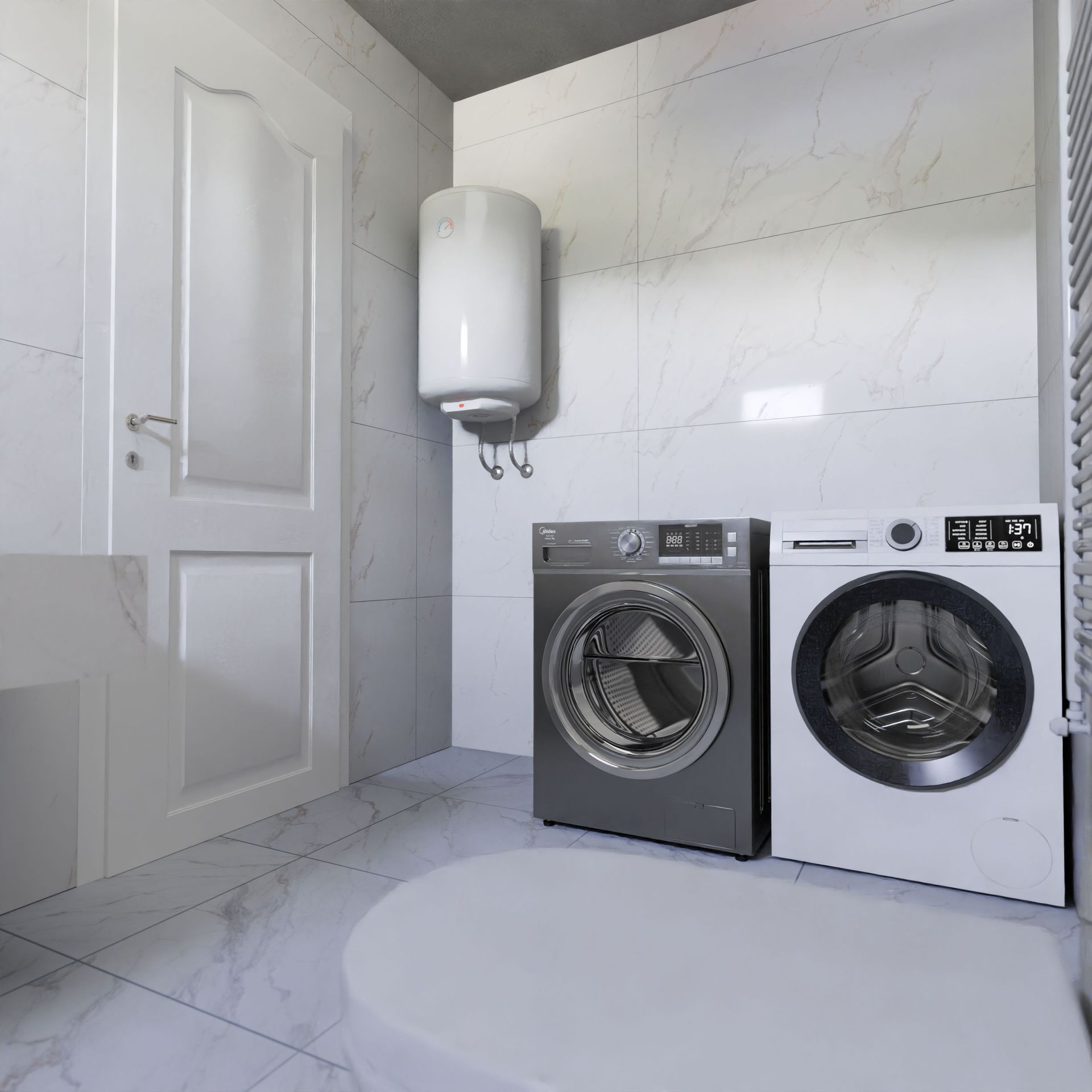
A water heater malfunction often begins with subtle indicators—rust-colored water emerging from taps, unusual popping noises from the tank during its heating cycles, or unpredictable temperature fluctuations that leave your morning showers uncomfortably lukewarm. CLMS Plumbing specializes in water heater installation, replacement, repair, and maintenance throughout Louisville, catering to both gas and electric systems when components fail or efficiency diminishes. The accumulation of sediment at the bottom of the tank is a common culprit behind many of these issues, as it insulates the heating element or burner, forcing the unit to exert more effort for the same level of output.
Water heater servicing addresses a range of problems, from malfunctioning thermocouples and worn-out heating elements to corroded anode rods and defective temperature and pressure relief valves. Gas units often require repairs to the pilot light and ignition system, whereas electric models typically necessitate thermostat or element replacement when their performance wanes. Regular flushing is essential to remove sediment that diminishes capacity and accelerates tank corrosion, while the installation of an expansion tank helps safeguard the system from pressure-related damage in closed-loop municipal water supply systems.
Schedule a diagnostic evaluation to pinpoint the exact component responsible for your hot water challenges.
Reliable Water Heater Repair & Replacement in Louisville, KY
When your hot water cuts out, your routine stops. Whether you are dealing with cold showers, low water pressure, or an unexpected leak, CLMS Plumbing delivers fast, specialized water heater services across Louisville and nearby communities. From minor component repairs to complete system upgrades, our team restores your hot water quickly, safely, and transparently.
Water Heater Issues We Handle
Water heaters often show warning signs before shutting down completely. Our experienced plumbers diagnose and repair all major gas, electric, and tankless systems, handling common problems such as:
- No Hot Water or Lukewarm Output: Diagnosing faulty thermostats, broken heating elements, extinguished pilot lights, or failing thermocouples.
- Active Water Leaks & Corrosion: Locating and fixing leaking valves, corroded connections, or evaluating tank integrity when structural leaks occur.
- Sediment Buildup & Noisy Tanks: Performing tank flushes to eliminate mineral scale that causes popping noises, reduces heating efficiency, and shortens unit lifespan.
- Inconsistent Temperatures & Pressure: Servicing relief valves, installing thermal expansion tanks, and balancing system pressure.
- Age-Related System Replacement: When a system reaches 10–12+ years or becomes inefficient, we guide you through energy-efficient replacement options tailored to your household’s water demands.
What Proper Water Heater Diagnostics Reveal
Accurate troubleshooting separates component failure from complete system replacement. A thermocouple that fails to sense pilot flame heat will shut down a gas unit entirely, mimicking the symptoms of a dead water heater when only a small part needs replacement. Heating elements in electric models burn out from sediment contact or voltage irregularities, and testing with a multimeter shows whether the element has continuity or requires replacement.
After repair or replacement, you notice water reaching set temperature consistently, recovery time between uses shortening to normal intervals, and unusual noises from the tank disappearing. Anode rod replacement stops the sulfur smell some Louisville water produces when the original rod depletes, and a new temperature and pressure relief valve eliminates the dripping that signals valve failure. Flushing restores several gallons of usable capacity by removing sediment layers, and you see clearer water without the brown tint that indicates internal tank corrosion spreading.
Installation projects include removing and disposing of the old unit, which involves draining the tank completely, disconnecting gas or electrical lines following code requirements, and handling the weight of a waterlogged heater.
New installations require expansion tank sizing based on your water heater capacity and local pressure conditions, proper venting for gas models, and electrical work that matches your home's amperage for electric units.
Questions Before Starting Your Project
Homeowners in Louisville often ask about repair versus replacement decisions, maintenance timing, and what different symptoms indicate.
What causes the popping sound coming from my water heater?
Sediment buildup at the tank bottom traps water beneath it, and that water boils during heating cycles, creating steam bubbles that pop as they escape through the sediment layer—flushing removes the sediment and stops the noise.
How does an anode rod affect water heater lifespan?
The anode rod is a sacrificial metal component that corrodes instead of the tank itself, and once it depletes completely, corrosion attacks the steel tank and leads to leaks within a year or two—inspection every three years catches depletion before tank damage starts.
When should I replace the entire water heater instead of repairing components?
If the tank itself shows rust or leaking, replacement is necessary because tank integrity cannot be restored, but component failures like thermostats, elements, thermocouples, and valves are repairable on units under ten years old without tank corrosion.
Why does my water heater run out of hot water faster than it used to?
Sediment accumulation displaces usable water volume and insulates the heat source from the water, forcing longer heating times and reducing effective capacity—a tank rated for fifty gallons may only deliver thirty-five gallons before cold water enters if sediment fills the bottom.
What does the temperature and pressure relief valve actually do?
This safety valve opens automatically if tank pressure exceeds safe limits or water temperature climbs above 210 degrees, preventing tank rupture, and a dripping or leaking T&P valve signals that it has activated due to excess pressure or has failed and needs immediate replacement.
What can I expect during a water heater service visit with CLMS Plumbing?
When you schedule a water heater service visit, our technician arrives on time with a fully equipped truck to thoroughly inspect your system. We perform an accurate diagnostic to identify the exact issue and provide a clear, upfront estimate before any work begins—so you know the total cost with no hidden fees or surprises. With our focus on fast turnaround, most standard repairs and tank replacements are completed on the same day to restore your hot water as quickly as possible.
CLMS. Plumbing provides emergency water heater repairs when complete system failure leaves your home without hot water. Request an on-site assessment to determine whether your current system needs component repair, maintenance service, or full replacement based on tank condition and failure patterns.