Water Lines Built for Decades Ahead
Re-piping Services in Louisville and surrounding areas for aging systems with recurring leaks and declining water pressure
Homes with galvanized steel pipes installed before 1970 develop internal corrosion that narrows the pipe diameter, reducing flow at every fixture and creating conditions for pinhole leaks that appear without warning. CLMS Plumbing provides whole-home and partial re-piping when you notice rust-colored water from cold taps, multiple leaks requiring frequent repairs, or noticeably weaker pressure than when you first moved into the property. These symptoms indicate that the pipe interior has deteriorated past the point where isolated repairs restore reliable function.
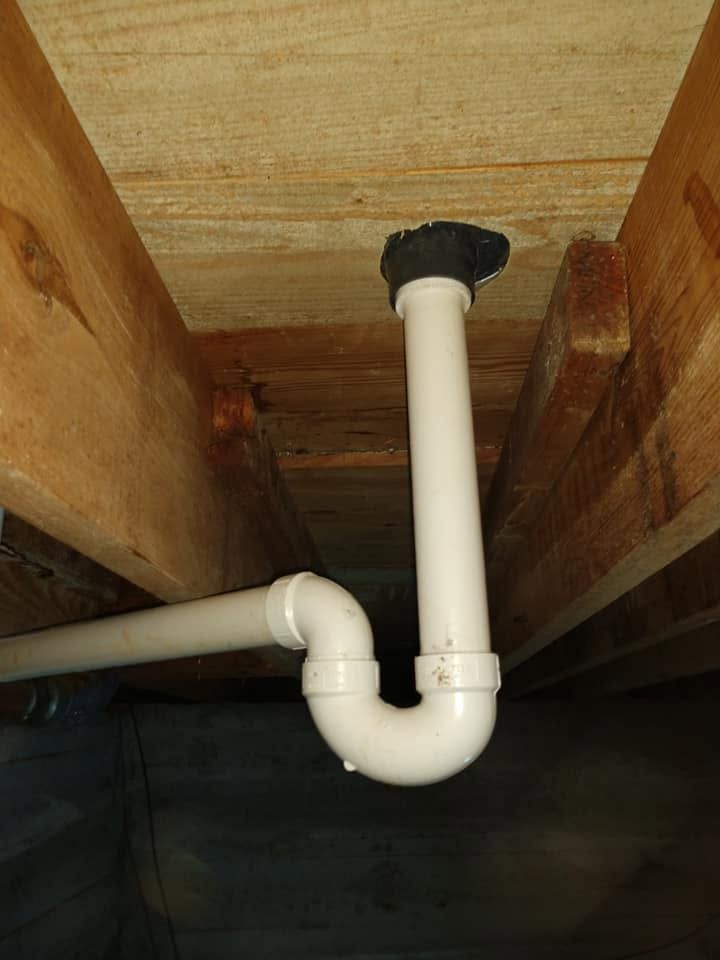
Re-piping replaces deteriorating supply lines with modern materials that resist corrosion and maintain consistent flow throughout their service life. The work involves accessing pipe runs through walls, ceilings, and crawl spaces, then installing new distribution lines from the main shutoff to every fixture location. Projects range from replacing a single corroded branch serving one bathroom to complete system replacement affecting every water outlet in the home.
Arrange an evaluation to assess which sections of your plumbing system require replacement based on current condition in Louisville, St. Matthews, Bon Air, or a neighboring community.
How Re-piping Addresses Chronic System Problems
Planning starts with identifying which pipe sections show active corrosion or reduced flow capacity, then determining access routes that minimize wall and ceiling damage while reaching all necessary pipe runs. Homes in the Louisville area with basements often allow routing through floor joists with minimal interior disruption, while properties on crawl spaces may require different access strategies depending on insulation and ground clearance. CLMS Plumbing maps the existing system before beginning demolition to avoid surprises once walls open.
Once re-piping completes, you notice immediate pressure improvement at showers and washing machines, water heats faster because flow through the heater increases, and the discoloration that appeared during high-demand periods no longer occurs. Leaks stop appearing in walls and ceilings, eliminating the cycle of repairs that temporarily fix one section while another begins failing.
The scope of work depends on whether corrosion affects isolated branches or the entire distribution system from the main line forward. Partial re-piping targets specific problem areas like bathroom groups or kitchen supply lines, while whole-home replacement addresses widespread deterioration that makes selective repairs impractical given the remaining pipe condition.
Answers to Frequent Service Questions
Property owners considering re-piping typically want to understand project duration, material options, and how the work affects daily routines during installation.
What signs indicate I need re-piping instead of repairs?
Recurring leaks in multiple locations, progressively declining pressure despite fixture cleaning, rust or sediment in cold water, and visible corrosion on exposed pipes all suggest system-wide deterioration rather than isolated component failure.
How long does a typical re-piping project take?
Whole-home re-piping in Louisville usually requires three to five days depending on home size and pipe access, while partial replacements affecting one or two fixture groups often finish within one to two days once materials arrive.
Which materials replace old galvanized pipes?
Copper and PEX both serve as modern alternatives, with copper offering proven durability and PEX providing flexibility that reduces fitting requirements and simplifies installation through confined spaces.
Will I have water during the project?
Water service shuts off during active pipe installation but typically restores each evening, with crews completing one section at a time to maintain function in unaffected areas whenever possible.
What wall and ceiling repair should I expect?
Access holes remain as small as practical for the work required, usually concentrated near fixture locations and along main pipe runs, with drywall repair and repainting handled either by the plumbing contractor or scheduled as a follow-up project after pressure testing confirms the new system.
CLMS Plumbing tailors solutions to the condition and layout of each property, with careful project planning to minimize disruption within the home. Contact us to schedule a system evaluation and discuss re-piping options suited to your property's specific needs.